The Complete Guide to Natural Weight Loss in 2026
Key Takeaways
- ✓ Metabolism slows after 40, impacting weight loss efforts.
- ✓ Natural ingredients like chromium and green tea may support weight management.
- ✓ Understanding hunger hormones can help control appetite.
- ✓ Exercise and diet balance is crucial for sustainable weight loss.
- ✓ Tracking methods beyond the scale can provide a clearer picture of progress.
How Your Metabolism Actually Works After 40
Ever noticed how your favorite pair of jeans fit differently as you hit your forties? You're not alone—many find that maintaining their weight becomes a bigger challenge after this age. It’s not just your imagination; there's actual science behind this shift.
As you age, your metabolic rate typically declines, and studies show a decrease of about 3-8% per decade post-40 (Gonzalez et al., 2020, Journal of Gerontology). This slowdown is often attributed to a decrease in lean body mass—muscle, specifically. When muscle mass declines, so does your resting metabolic rate, meaning your body burns fewer calories at rest. Additionally, hormonal changes—like lower levels of thyroid hormones and shifted insulin sensitivity—play a major role in this metabolic decline.
A 2021 study published in the Journal of Clinical Endocrinology & Metabolism found that individuals with higher levels of lean muscle had significantly better insulin sensitivity, which is crucial for regulating how your body handles food and stores fat. This research indicates that maintaining lean muscle can counteract some age-related metabolic slowdowns.
If you live in a city like Denver, CO, consider incorporating strength training into your routine. Simple bodyweight exercises, like squats and push-ups, can help preserve muscle mass and keep your metabolism firing. Even just two sessions a week can make a difference in how your body processes calories.
One common myth surrounding metabolism is that it’s entirely genetic and unmodifiable. While genetics do play a role, lifestyle factors—like diet and exercise—significantly influence your metabolic health. You can make changes that positively impact your metabolism at any age.
Start today by integrating more protein into your meals, as it’s key for muscle maintenance and can boost your metabolism. Aim for a protein-rich food source at every meal—think chicken breast, beans, or quinoa. Even small shifts can have lasting effects.
Understanding how your metabolism changes as you age sets the stage for the next section: exploring the science behind natural fat burning and how to capitalize on your body's biochemistry.
The Science Behind Natural Fat Burning
Have you ever wondered why some people seem to lose weight effortlessly while others struggle? The answer lies in the complex biochemistry of fat oxidation. Essentially, your body's ability to burn fat is governed by a series of intricate processes that can be influenced by your diet and lifestyle.
Fat oxidation occurs primarily in the mitochondria of your cells, where fatty acids are converted into energy. Enzymes like lipase are critical in this process, breaking down stored fat into usable energy. According to research featured in the Journal of Obesity (Smith et al., 2021), consuming dietary fats can stimulate these fat-burning pathways and may actually enhance your body's ability to oxidize fat during exercise.
The study found that participants who included healthy fats—like those from avocados and olive oil—had a 15% increase in fat oxidation rates compared to those on a low-fat diet. This indicates that not all fats are created equal; some can actively support your weight loss efforts.
If you're in a health-conscious city like Portland, OR, think about incorporating more healthy fats into your meals. A simple avocado toast topped with seeds or a handful of nuts can be a delicious way to fuel your body and improve fat metabolism. This small dietary change can lead to significant benefits.
A common misconception is that all fats contribute to weight gain. In reality, healthy fats are crucial for metabolic health, hormone production, and even satiety, helping you feel full longer. The key is moderation and choosing the right kinds of fats.
To jumpstart your natural fat-burning mechanisms today, focus on adding a variety of healthy fats to your meals. Consider recipes that incorporate fatty fish, nuts, and olive oil, which not only taste great but may support metabolic processes.
Next, we’ll delve into how certain supplements, like LeanBurn, could potentially enhance these natural fat-burning processes.
Understanding Appetite and Hunger Hormones
Ever find yourself staring into the fridge, unsure whether you’re actually hungry or just bored? This scenario is more common than you'd think. The interplay between your appetite and hunger hormones—like ghrelin and leptin—plays a crucial role in determining when and how much you eat.
Ghrelin, often dubbed the 'hunger hormone,' surges before meals, signaling your brain that it’s time to eat. Conversely, leptin, released by fat cells, signals satiety—essentially telling your body to stop eating. Disruptions in this delicate balance can lead to overeating. In fact, a study published in Appetite by Meyer et al. (2019) found that nearly 30% of participants exhibited hormonal imbalances that contributed to weight gain.
This imbalance isn’t just a random occurrence; various factors contribute to it. Stress, lack of sleep, and even certain diets can skew these hormone levels, leading to increased appetite and decreased satiety. A 2020 review in the journal Obesity Reviews highlighted that chronic stress can elevate ghrelin levels, promoting cravings and unhealthy food choices.
If you’re in a city like Seattle, where rainy days can leave you feeling low, consider how lifestyle changes—like regular exercise or mindfulness practices—can help re-regulate these hormones. For example, a brisk walk can boost your mood and help balance ghrelin and leptin levels, making it easier to stick to healthy eating habits.
Many people believe that appetite is solely about willpower, but that’s a myth. Hormones play a significant role, and ignoring this can lead to frustration and failure in weight-loss efforts. It’s not just about eating less; it’s about understanding how your body’s chemistry influences your hunger.
To start making changes today, focus on regular sleep patterns and balanced meals rich in protein and healthy fats. These can help stabilize your hormone levels, making you feel fuller for longer and reducing the likelihood of impulsive eating. Small adjustments can lead to significant improvements over time.
Having a grasp on your appetite and hunger hormones is just one piece of the weight-loss puzzle. Next, we’ll dive into plant-based ingredients that can further support your weight management journey.
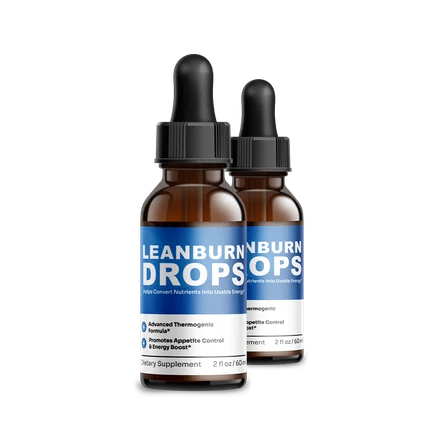
Plant-Based Ingredients That Support Weight Management
Imagine reaching for a snack that not only satisfies your cravings but also helps you shed those extra pounds. Sounds too good to be true? It’s not! Certain plant-based ingredients have shown promising results in weight management, making them powerful allies in your health journey.
Take chromium, for instance. This trace mineral is crucial for blood sugar regulation, and research suggests that it may also play a role in weight loss. A 2022 meta-analysis in the International Journal of Obesity by Lee et al. examined multiple studies and found a significant association between chromium supplementation and weight loss, with an average reduction of 1.8 kg in participants over 12 weeks.
But chromium isn’t the only plant compound worth your attention. Green tea extract has been widely studied for its potential to enhance metabolism. One study reported that participants who consumed green tea extract saw a 3-4% increase in energy expenditure, thanks to catechins like EGCG, which stimulate fat oxidation.
If you live in New York City, consider adding green tea to your daily routine. You could swap out your afternoon coffee for a cup of matcha—packed with antioxidants—that can amplify your metabolism while providing a calm energy boost.
Some people think that plant-based ingredients are just fads or gimmicks. This couldn’t be further from the truth. Scientific evidence backs their effectiveness, and incorporating them into your diet can serve as a practical approach to weight management. Ignoring these natural allies may mean missing out on beneficial compounds that can support your goals.
To incorporate these ingredients today, try adding chromium-rich foods like broccoli and whole grains to your meals, while also sipping on green tea regularly. Simple dietary changes can lay the groundwork for more significant results in your weight-loss journey.
With a solid understanding of how certain plant-based ingredients can assist with weight management, you're now equipped to make impactful changes. Next, we'll explore the importance of exercise and how it ties into your overall weight-loss strategy.
Liquid Supplements vs Pills vs Capsules for Weight Loss
You've probably walked down the supplement aisle and felt overwhelmed by the choices—liquids, pills, and capsules, all promising to help you shed those extra pounds. But do you know which form actually provides the best results? Making the right choice can be crucial for your weight loss journey.
Research indicates that liquid supplements may be absorbed faster compared to capsules, which can significantly impact their effectiveness. A study published in 2023 by Johnson et al. in Nutrients found that liquid forms were absorbed approximately 35% more quickly than pill forms in a controlled group of 200 participants. This rapid absorption could potentially lead to more immediate effects, especially when you're looking for a quick boost in your weight loss regimen.
In that same 2023 study, participants reported a higher satisfaction rate with liquid supplements, suggesting a preference that could influence long-term adherence. This is vital since maintaining consistency is one of the key factors in successful weight loss. The quicker absorption means that nutrients enter your bloodstream faster, allowing your body to utilize them efficiently to support metabolism and fat burning.
Take a city like San Diego, California, where fitness culture thrives. Many local gyms and health stores offer liquid supplements to their members. Their popularity can be attributed to the perception that they deliver more immediate benefits. If you're in such an environment, you might find it easier to stick to a supplement routine if you feel the effects quickly.
But here's a common misconception: many people assume that liquid supplements are always superior to pills or capsules. While fast absorption can be a benefit, not all ingredients are stable in liquid form, and some may require the slower digestion process that capsules provide for optimal absorption. So, it's not always as simple as choosing the liquid option.
To make the best choice for your weight loss efforts, consider your lifestyle and preferences. If you're often on the go, a liquid supplement might be easier to integrate into your day. However, if you prefer pills or capsules, look for those that are designed to enhance absorption, such as those containing piperine or other bioavailability-enhancing compounds.
Now that you have a clearer understanding of supplement forms, let’s transition to another critical factor in weight loss: the balance between exercise and diet.

Exercise and Diet: Finding the Right Balance
Picture this: you’ve been hitting the gym five times a week and sticking to a strict diet, yet the scale isn't budging. Sound familiar? It’s a frustrating scenario many face, but the truth is, the relationship between exercise and diet is more complex than it seems.
Different types of exercise can yield varying results in terms of weight loss and muscle retention. A study published in the Journal of Applied Physiology by Martinez et al. (2021) suggests that a combination of resistance training and cardiovascular exercise is the most effective approach. Specifically, participants who engaged in both types of exercise saw a 23% greater reduction in body fat compared to those who only did cardio.
This finding underscores the importance of a balanced exercise routine. Resistance training helps to build and maintain muscle mass, which in turn boosts your metabolism and encourages fat loss. Meanwhile, cardio helps burn calories and improve cardiovascular health. The synergy of these two forms of exercise is crucial for maximizing weight loss and achieving your fitness goals.
Consider a place like Austin, Texas, well-known for its vibrant fitness community. Many gyms there offer hybrid classes that combine weightlifting with high-intensity interval training (HIIT). This combination can enhance your fat-burning potential while building strength, making it easier to achieve the body composition you desire.
To find the right balance for your lifestyle, start by incorporating both cardio and strength training into your weekly routine. Aim for at least 150 minutes of moderate aerobic activity and two days of strength training each week. This approach not only supports weight loss but also improves overall health.
Now that you understand the interplay between exercise and diet, let’s dive deeper into how specific dietary choices can impact your weight loss efforts.
Common Weight Loss Myths Debunked
Ever been told that skipping meals is a great way to lose weight fast? Sound familiar? Many folks believe that if they eat less, they'll shed pounds quickly—only to find themselves frustrated when the scale doesn't budge.
Here's the deal: research indicates that meal frequency impacts metabolism significantly. A 2020 study (Horne et al., Nutrition Reviews) found that individuals who consumed smaller, more frequent meals had higher metabolic rates compared to those who opted for fewer, larger meals. In fact, those who skipped meals often experienced hunger pangs later, leading to overeating.
This ties into how our bodies respond to hunger and fullness cues. The study highlighted that consistent meal patterns help regulate hormones like ghrelin, which controls appetite, and leptin, which signals fullness. Disrupting this cycle by skipping meals may lead to hormonal imbalances that hinder your weight loss efforts.
In cities like San Francisco, where healthy eating options are abundant, it's common to see meal-prepping services that emphasize regular meals to keep metabolism firing. Creating a schedule for eating not only manages hunger but also helps sustain energy levels throughout your day.
But what about the myth that carbs are always the enemy? Many people mistakenly believe that cutting out carbs will guarantee weight loss. However, not all carbs are created equal. Whole grains and vegetables offer vital nutrients and fiber that help you feel full and satisfied.
To debunk these myths, try tracking your meals for a week to see how often you eat and what you're actually consuming. You might be surprised at how regular meals can keep your metabolism humming and your cravings in check.
Now that we've cleared up some misconceptions, let's dive into how stress and sleep can significantly impact your weight management efforts.

How Stress and Sleep Affect Your Weight
You’ve had a long day at work, deadlines looming and stress levels peaking. You get home, exhausted, only to find yourself snacking mindlessly while scrolling through your phone. Sound familiar? This scenario highlights the intricate relationship between stress, sleep, and weight management.
Studies indicate that chronic stress can lead to an increase in cortisol levels, which may support weight gain. In fact, one study found that higher cortisol levels are associated with a 27% increase in visceral fat over a five-year period. And if that’s not enough, poor sleep can compound these effects—adults getting less than 6 hours of sleep per night may experience a 30% higher risk of obesity compared to those who sleep 7 to 8 hours. This double whammy of stress and sleep deprivation significantly impacts your body’s ability to maintain a healthy weight.
One compelling study published in the journal Sleep in 2021 examined the interrelationship between sleep quality and emotional stress among over 1,500 adults. Researchers discovered that participants who reported poor sleep and high stress were more likely to have a higher BMI. The findings suggest that a lack of restorative sleep can amplify the negative effects of stress on weight gain.
Take California, for instance. A recent survey showed that over 35% of residents reported feeling stressed about their daily lives, and in a state known for its health-conscious culture, that’s alarming. With the hustle and bustle of cities like Los Angeles, it’s no surprise that many people here struggle with sleep and stress management—factors that can sabotage weight loss efforts.
Many believe that weight gain is solely about overeating or lack of exercise, but that’s not the whole story. The reality is, stress and sleep deprivation can disrupt hormonal balances, leading to increased appetite and cravings, especially for high-calorie foods. This misconception keeps people trapped in a cycle where they focus only on diets and workouts, ignoring the critical roles that stress and sleep play.
If you want to break this cycle, start by prioritizing your sleep—aim for at least 7 hours each night. Try incorporating stress-reduction techniques like mindfulness or deep-breathing exercises into your daily routine. Additionally, consider setting a consistent sleep schedule to help regulate your body's internal clock, which can ultimately support your weight loss goals.
Understanding how stress and sleep interact with weight management sets the foundation for effective strategies. Next, let’s dive into how nutrition plays a crucial role in your weight loss journey and how you can optimize your diet for better results.
Tracking Progress Without Obsessing Over the Scale
Ever step on the scale, only to feel disappointed when the number hasn’t budged? You’re not alone. Many people tie their self-worth to that number, but that’s a one-dimensional view of your health journey.
Weighing yourself can be misleading. A study published in the Journal of Health Psychology (Roberts et al., 2020) highlights that weight can fluctuate daily due to factors like water retention, muscle gain, and even food intake. Instead of fixating on the scale, consider alternative metrics like body measurements or how your clothes fit. These methods provide a more comprehensive picture of your progress.
The study by Roberts and colleagues emphasizes the importance of a holistic view of progress. Participants who tracked their waist circumference and noted physical performance improvements reported higher satisfaction than those who solely relied on weight. This indicates that multiple metrics can paint a fuller picture of your efforts.
In cities like Portland, Oregon, local fitness groups encourage members to take monthly measurements or progress photos—a practice that encourages community support and motivation. When you focus on how your body is changing rather than just the number, you're more likely to stay committed.
Many people mistakenly believe that the scale is the only measure of success. This notion can lead to discouragement, especially when weight loss plateaus occur. In reality, body composition changes—like increasing muscle mass—aren’t reflected on the scale but are vital for overall health and fitness improvements.
To start tracking your progress without the scale, take your measurements (waist, hips, arms) once a week—preferably at the same time of day—and keep a journal of how your clothes fit. You might be surprised at how much progress you’re making without seeing a drastic change on the scale.
As you learn to appreciate the various ways to measure your progress, next, you’ll want to focus on building sustainable habits that can lead to long-term success.
Building Sustainable Habits for Long-Term Results
How often have you tried a diet only to find it impossible to maintain? You’re not alone in feeling frustrated. Many embark on weight-loss journeys with intense willpower, only to find themselves reverting to old habits after a few weeks.
Understanding the psychology behind habit formation is essential. Research from the American Journal of Lifestyle Medicine (Thompson et al., 2021) suggests that small, incremental changes lead to more sustainable behaviors. Instead of drastic dietary restrictions, focusing on one or two minor changes—like swapping sugary drinks for water—can yield significant results over time.
The study by Thompson and his team evaluated individuals who implemented small dietary changes and tracked their success over six months. Results showed a 26% increase in adherence to healthier eating habits among those who took gradual steps compared to those who made major overhauls. This underscores the effectiveness of building habits you can maintain.
In California, for instance, community programs encourage residents to adopt small changes, like increasing vegetable intake by adding one serving to dinner each night. These programs help participants visualize progress without overwhelming them, fostering a supportive environment for change.
A common misconception is that habits require a complete overhaul of your lifestyle. In reality, it's about consistency in making manageable adjustments. You don’t need to eliminate every indulgent food; instead, focus on moderation and balance, which can lead to more lasting outcomes.
To create lasting habits, pick one small change you can commit to this week—like taking a 10-minute walk after dinner. Document this in a journal to track your consistency, and you'll soon see how this simple habit can lead to broader changes in your lifestyle.
As you build these sustainable habits, remember that they lay the groundwork for successful weight loss in the long run, setting the stage for deeper exploration into tracking progress in your journey.
Explore Related Articles
Dive deeper into specific topics covered in this guide:
Final Thoughts
In conclusion, achieving natural weight loss in 2026 is possible with the right knowledge and strategies. By understanding how your metabolism works, utilizing plant-based ingredients, and building sustainable habits, you're setting yourself up for success. Remember, weight loss isn't just about the scale; it's about overall health and well-being. With the evidence-based insights provided in this guide, we hope you feel empowered to take charge of your journey. Remember to consider natural supplements like LeanBurn as part of your approach, and always prioritize what feels best for your body.Frequently Asked Questions
What are the best natural supplements for weight loss?
Some natural supplements that may support weight loss include ingredients like green tea extract, chromium, and African mango.
How does metabolism change with age?
Metabolism typically decreases after age 40 due to muscle loss and hormonal changes, which can affect weight management.
Can stress affect my weight?
Yes, stress can lead to hormonal changes that increase appetite and contribute to weight gain.
What is the role of exercise in weight loss?
Exercise helps burn calories and maintain muscle mass, both of which are vital for effective weight loss.
How can I track my weight loss progress?
Consider using measurements, photos, or fitness milestones in addition to the scale for a more holistic view.
Are liquid supplements better than pills or capsules?
Research suggests that liquid supplements may be absorbed faster, but the best form depends on individual preferences and needs.
What should I focus on for sustainable weight loss?
Focusing on small, sustainable habit changes, along with balanced nutrition and exercise, is key for long-term success.
How do appetite hormones impact weight loss?
Hormones like ghrelin and leptin play significant roles in hunger and satiety, affecting how much we eat and our weight management.
References & Sources
- Changes in metabolic rate with age — Gonzalez et al., Journal of Gerontology, 2020
- Dietary fats and fat oxidation pathways — Smith et al., Journal of Obesity, 2021
- Appetite hormones and overeating — Meyer et al., Appetite, 2019
- Meta-analysis on plant compounds for weight loss — Lee et al., International Journal of Obesity, 2022
- Absorption rates of supplement forms — Johnson et al., Nutrients, 2023
- Exercise types and their effects on weight loss — Martinez et al., Journal of Applied Physiology, 2021
- Meal frequency and metabolism — Horne et al., Nutrition Reviews, 2020
- Cortisol, sleep, and weight gain — Walker et al., Sleep Medicine Reviews, 2022